For pre workout meals for fat loss, eat a small, easy-to-digest mix of carbohydrates and lean protein so you have steady energy without overshooting your calorie goal; if you are 30–60 minutes out, aim about 100–250 calories with roughly 15–30 g carbs and 10–20 g protein, and if you are 1–2 hours out, go about 250–450 calories with 30–60 g carbs and 20–40 g protein, keeping fats and very high fiber lower, hydrating, and knowing it’s fine to train without food on short or easy sessions if you feel good.
This approach supports training quality and appetite control while keeping your daily deficit intact: pair quick carbs such as fruit, oats, or rice cakes with a lean protein like Greek yogurt, whey, egg whites, or turkey; if you’re very close to start time, keep it lighter and simpler, and if you have more time, a small balanced meal works, with fats used sparingly so digestion feels comfortable.
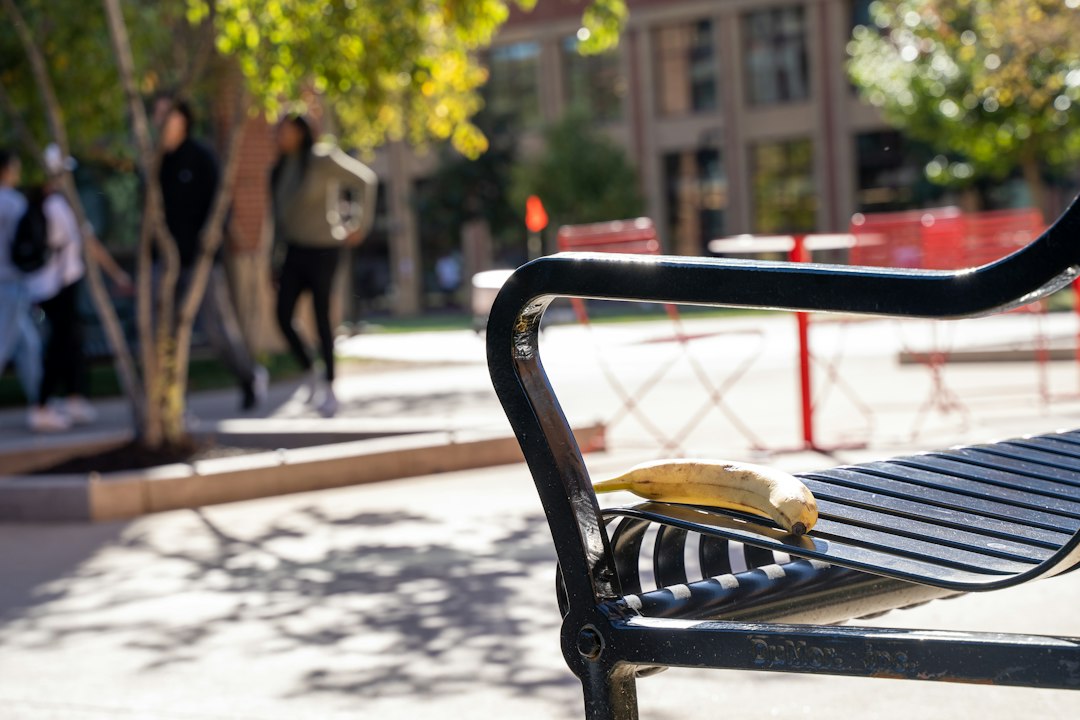
The short answer: pre-workout eating for fat loss
Here is the decision rule that covers most situations: if your workout is shorter than about 45 minutes and easy to moderate, it’s reasonable to go in with just water if you feel steady; otherwise, have a small, low-fat, low-fiber bite that combines quick carbs with lean protein. The goal is to arrive energized but not heavy, so you can train well and keep your daily calorie budget intact.
- 30–60 minutes before training: about 100–250 calories, 15–30 g carbs, 10–20 g protein, minimal fat and high fiber; examples include a banana with 3–4 oz of Greek yogurt, a rice cake with thin turkey slices, or an applesauce pouch with 1 scoop whey mixed in water.
- 1–2 hours before training: about 250–450 calories, 30–60 g carbs, 20–40 g protein, light fats; examples include oatmeal with a scoop of protein powder and berries, egg whites with toast and a little jam, or chicken, rice, and veg with just a touch of oil.
- Hydrate: sip 8–16 oz water in the hour before training; add electrolytes if you sweat heavily or it’s hot.
- It’s okay to skip food for short or easy sessions: many people do fine fasted for walking, light cardio, mobility, or short lifting if dinner was recent.
Early-morning 5 a.m. ideas when appetite is low or time is tight:
- Water plus a small fruit like half a banana and a string cheese.
- Half a protein shake and one rice cake.
- Applesauce pouch and a small handful of nuts (keep it small so fat stays light).
Common mistakes that stall progress include eating a huge portion because it’s “healthy,” loading up on fats or very high fiber right before training, relying on large sugary drinks that spike and crash energy, and “double eating” with a big pre-workout snack and a large post-workout meal that together exceed your daily plan.
Best pre workout meals for fat loss (by timing and workout type)
When you’re 30–60 minutes from training, pick something light and a bit carb-forward with a lean protein. This helps top off quick energy, supports focus, and keeps stomach comfort high. Examples:
- Banana plus 4–6 oz Greek yogurt (plain or lightly sweetened).
- Two rice cakes with 2–3 oz sliced turkey breast.
- Low-fat yogurt cup with a handful of berries.
- Unsweetened applesauce pouch with 1 scoop whey mixed in water.
- A small tortilla with egg whites and a little salsa (keep added fats light).
When you’re 1–2 hours out, a compact meal can fit, as long as fats stay modest:
- Oatmeal cooked with water, stirred with protein powder, topped with fruit.
- Egg whites, one slice toast with jam, and a side of fruit.
- Chicken, rice, and mixed vegetables with a small drizzle of oil.
- Lean turkey wrap with a thin spread of hummus and lettuce, fruit on the side.
Adjust by session type and length:
- Cardio focus: skew a little more toward quick carbs, especially if the session exceeds 60 minutes; a banana or sports chews can help if needed.
- Lifting or HIIT: include protein toward the upper end of the ranges to support muscle repair after the session and steady energy during sets.
- Long sessions 75–90+ minutes: consider a small intra-workout carb like a banana bite or 10–20 g of a simple carb drink, especially in heat; count it toward your daily plan.
If you prefer to train fasted, that’s fine for many short workouts. If performance or comfort drops, add a tiny bite like half a banana or a small yogurt. Keep hydration and electrolytes in mind for early morning or warm environments. For more timing nuance, see our guide on eating around training.
Build-your-own pre-workout: snack builder and swaps
Use this builder to match your time-to-workout and needs. Pair a carb base with a lean protein, keep fats low, and prioritize foods you digest easily. If you have unique dietary needs, use the swaps below. The price estimates are rough and vary widely by region and brand; they are included here only to help with budgeting.
| Time to workout | Target calories | Target carbs (g) | Target protein (g) | Target fat (g) | Example combos | Prep time (min) | Portability | Estimated cost per serving ($) | Dietary tags |
|---|---|---|---|---|---|---|---|---|---|
| 30–60 min | 100–250 | 15–30 | 10–20 | ~5 or less | Banana + 4 oz Greek yogurt; 2 rice cakes + 2 oz turkey; applesauce + 1 scoop whey in water | 2–5 | Yes | 0.80–2.00 | Can be dairy-free or gluten-free |
| 1–2 hrs | 250–450 | 30–60 | 20–40 | ~10–15 | Oats + protein + fruit; egg whites + toast; chicken + rice + veg (light oil) | 5–15 | Yes/No (varies) | 1.50–4.00 | Easy to adapt to vegan or dairy-free |
Mix-and-match components:
- Carb bases: banana, berries, applesauce, oats, rice cakes, toast, small tortilla, white rice, simple cereals.
- Lean proteins: Greek yogurt, whey or pea protein, egg whites, cottage cheese (low-fat), turkey breast, chicken breast, tofu cubes.
- Flavor and texture: small amounts of jam, honey, or a few berries; cinnamon in oats; a little salsa on egg whites.
Dietary swaps:
- Vegan: soy or coconut yogurt with fruit; pea or soy protein shake with a rice cake; tofu or tempeh with oats.
- Dairy-free: lactose-free yogurt, plant-based yogurt, pea protein shakes, turkey or chicken with rice.
- Gluten-free: rice cakes, certified GF oats, corn tortillas, plain rice and fruit.
Budget and convenience picks for work, travel, or a gas station stop:
- Jerky plus a piece of fruit (choose lower-sodium options if you prefer).
- Low-fat yogurt cup and a banana.
- Instant oatmeal packet plus a single-serve protein powder packet, mixed with hot water.
- Rice cakes or a small granola bar with a protein drink.
For more day-to-day structure, check our practical plan on building a sports nutrition meal plan or our focused article on good pre-workout meals.
Timing, portions, and staying in a deficit
Your pre-workout calories count toward your daily budget. If you’re aiming for, say, 1,800 calories per day, decide how much you want to “spend” before training and plan the rest around it. A practical method is to plan backward from dinner and post-workout needs, then allocate a small pre-workout snack where it helps performance the most.
Portion control tips that make this easy over time:
- Measure once, then learn hand portions: a deck-of-cards size for 3–4 oz lean meat, a palm for yogurt or cottage cheese, a cupped hand for oats or cereal.
- Create a short pre-workout menu that you repeat; consistency reduces guesswork and surprises.
- Log a week of pre-workout snacks to see patterns in hunger, performance, and scale trends; adjust portion size by 25–50 calories if needed.
Longer sessions (75–90 minutes or more) sometimes benefit from a small intra-workout carb. If you add 10–20 g of easy carbs (like a banana bite or simple drink), balance it by trimming elsewhere in the day so your total stays aligned with your goal. If you prefer a deeper dive on timing across the day, read our meal timing guide.
What to avoid right before you train
These foods and habits often make workouts feel sluggish or unsettled when eaten too close to start time:
- High-fat or fried foods that digest slowly (big burgers, heavy nut butters, greasy takeout).
- Very high-fiber vegetables or legumes in large portions right before training (save big salads for post-workout or much earlier).
- Large, high-volume meals that leave your stomach feeling full at the start of your warm-up.
- New foods or supplements you haven’t tried before; test them on an easy day first.
- Carbonated drinks that can bloat, especially close to start time.
- Alcohol and very spicy meals near training time.
Hydration and caffeine, simplified
Hydration first: drink water through the day and aim for a glass in the hour before you train. If you sweat heavily or live in a hot climate, a pinch of electrolytes can be helpful. For early mornings, simply waking up and having water often makes a noticeable difference in comfort and output.
Caffeine can lower perceived effort and help focus for many people. A modest amount 20–40 minutes before training is common, but keep it simple: coffee, tea, or a light, low-sugar option. Pre-workout powders are often loaded with stimulants and sugar alcohols; they don’t burn fat by themselves, and your overall calorie deficit is what moves progress. If you use a supplement, choose one with straightforward ingredients and avoid adding sugary mixers.
Post-workout (briefly): recover without blowing your deficit
After training, prioritize protein and a moderate amount of carbs so you feel satisfied and ready for the next session. Many people do well with about 20–40 g protein and 20–60 g carbs, keeping fats moderate. Simple ideas include a protein shake plus fruit, a chicken and veggie wrap, or a yogurt bowl topped with fruit and a bit of cereal. If you trained late, you can fold this into dinner so the day still fits your plan. For morning training specifics, see our morning pre-workout guide.
FAQs
What is the best post-workout meal for muscle gain?
Pick a meal that supplies about 20–40 g protein and 30–60 g carbs. The protein supports muscle building after training, and the carbs refill energy. Examples: a chicken rice bowl with vegetables; a tuna sandwich and fruit; a cottage cheese bowl with cereal and berries; or a protein smoothie blended with banana and oats. Keep fats moderate so you feel comfortable.
Can pre-workout help with fat loss?
Caffeine can help you feel more alert and may make workouts feel easier, but no drink or powder melts fat by itself. The steady driver of fat loss is a consistent calorie deficit combined with training and daily movement. Pre-workout meals that are small, simple, and timed to your session help you train well without overshooting calories.
What are some good foods to eat before a workout?
Quick carbs plus lean protein, low in heavy fats and high fiber. Fruit and yogurt, rice cakes and turkey, oatmeal with protein, egg whites with toast, applesauce with whey, or tofu with rice all fit. Choose what you digest comfortably and adjust portion size to match your time-to-workout window.
What to eat before a 5 a.m. gym workout?
If appetite is low, keep it tiny or train with water. Three easy options that rarely upset the stomach: water plus a small fruit with a string cheese, half a protein shake and a rice cake, or an applesauce pouch with a few nuts. If even that feels like too much, go with water and plan a balanced breakfast afterward.
How long before a workout should I eat?
Use two windows: if your workout starts in 30–60 minutes, choose a 100–250 calorie snack with 15–30 g carbs and 10–20 g protein, low in fat and heavy fiber. If you have 1–2 hours, 250–450 calories with 30–60 g carbs and 20–40 g protein is a good fit. Adjust up or down based on your body size, workout length, and how you feel.
When you keep things simple—quick carbs, lean protein, light fats, and consistent hydration—you’ll arrive ready to work and still keep your daily plan on track.