If you want a simple, reliable way to plan your next night under the stars, start with a wild camping checklist. A good list turns unknowns into clear steps, trims weight without losing safety, and helps you leave each place as you found it.
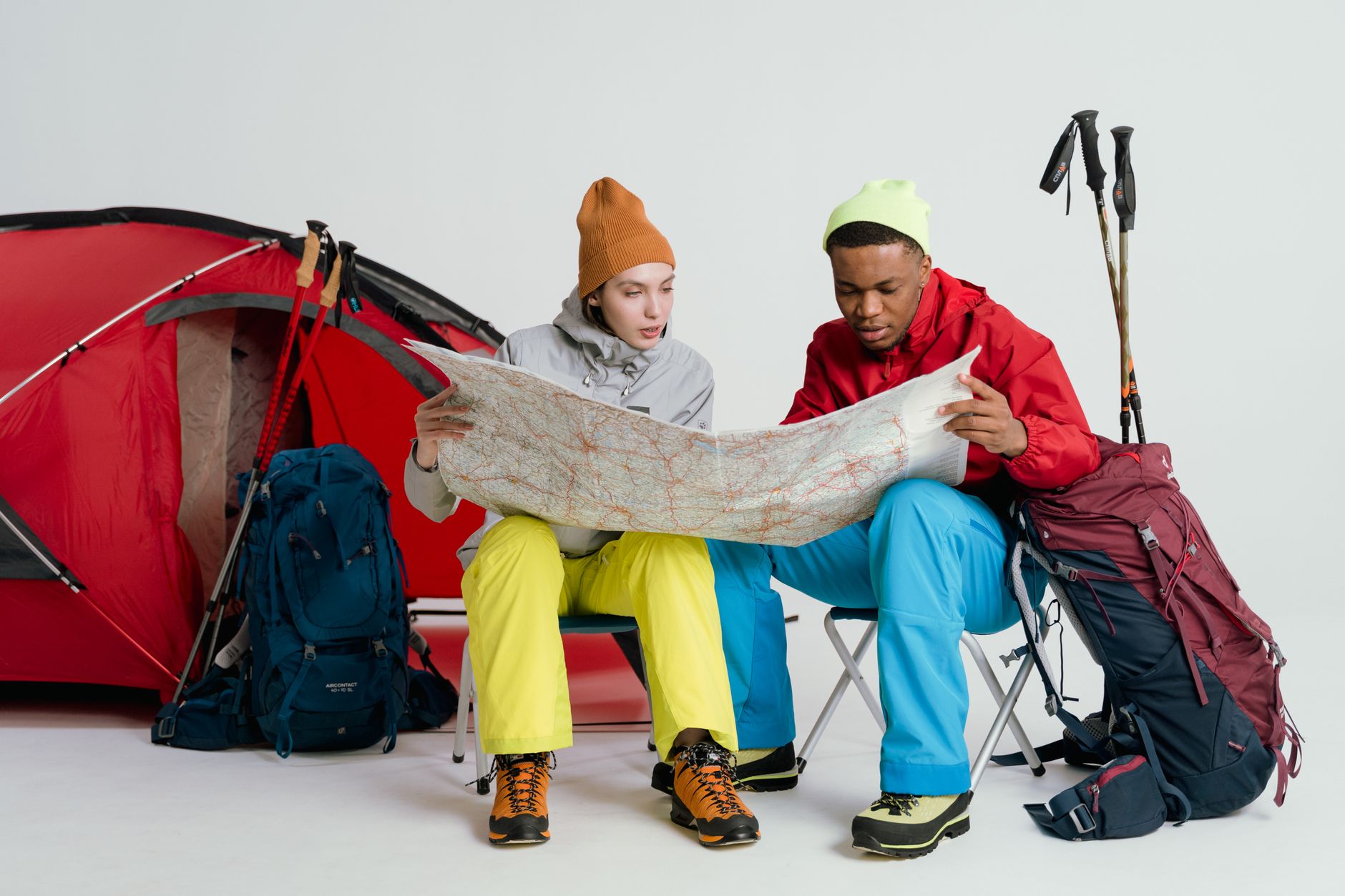
wild camping checklist (printable core list)
Use this core list as your baseline. Adjust for weather, terrain, group size, and your own experience. When in doubt, remove items that duplicate functions and keep items that serve multiple roles.
- Identity and permissions: ID, permits or written permission if required, emergency contact info card
- Navigation: paper map at 1:25k or 1:50k, compass, offline mapping app with downloaded tiles, route notes
- Shelter: tent or tarp with stakes and guylines, bivy (optional), repair tape, spare guyline cord
- Sleep system: sleeping bag or quilt suited to expected lows, sleeping pad with appropriate R-value, pillow or clothing stuff sack
- Clothing carried: insulating layer, waterproof jacket, waterproof trousers (as conditions demand), hat and gloves, spare socks
- Footwear: trail shoes or boots, camp shoes (optional ultralight sandals)
- Kitchen: stove (canister, alcohol, or multifuel), lighter and backup fire steel or matches in waterproof case, pot with lid, long-handled spoon, bowl/cup
- Water: two bottles or soft flasks (2–3 liters total capacity), filter or purifier (squeeze, pump, gravity, or chemical), collapsible extra container (optional)
- Food: dinner, breakfast, and snacks at 2,500–4,000 calories per person per day depending on exertion and temperature
- Lighting and power: headlamp with fresh batteries, power bank, short charging cables, phone in airplane mode
- Safety and repair: first-aid basics (dressings, blister care, tape, pain relief), multi-tool or small knife, duct tape wrapped on a water bottle, whistle
- Hygiene and leave-no-trace: small trowel, toilet paper/wipes in a zip bag, hand sanitizer, sealable waste bag, small microfiber cloth
- Sun and bugs: sunscreen, lip balm, sunglasses, head net (if needed), repellent suited to local insects
- Admin: trash bag, small notebook and pencil, permit copies, cash or card where remote parking requires it
Before you go, run a short pre-departure routine: check the forecast, confirm day length and sunrise/sunset times, tell a contact your plan and expected return, download offline maps, and take a photo of your packed kit laid out. That photo is a quick way to spot missing items and helps you review later.
Law and ethics: where sleeping wild is acceptable
Wild camping sits at the intersection of law, tradition, and ethics. The same act—pitching a small tent for one night—can be welcomed, tolerated, or prohibited depending on where you are. Respecting place and people keeps the privilege alive and reduces conflict.
In broad strokes, some regions allow overnighting on unenclosed land with sensible limitations, others require explicit landowner permission, and many national parks or protected areas set their own rules. A few practical principles apply almost everywhere:
- Choose discretion over display. Pitch late, strike early, and keep a low visual impact. Avoid pitching within sight of homes, roads, popular trails, or sensitive habitats like dunes or fragile alpine meadows.
- Stay small and temporary. One night, a tiny footprint, and no trace afterward align with most customary practices even where written guidance is thin.
- Use existing durable surfaces. Bare ground, established clearings, rock slabs, or dry sand withstand foot traffic better than lush vegetation.
- Respect closures. Seasonal wildlife protections, cultural sites, or restoration zones are off-limits. Signs and local advice matter more than assumptions.
- Ask when in doubt. A polite request to a landowner, ranger, or hut warden can turn uncertainty into a warm welcome or a helpful redirection.
If you are visiting a new country or park, read the current rules on the official site. Policies evolve, and local nuance matters. When you cannot find clarity, pick a formal campsite for the night or hike on to public land where dispersed camping is clearly described. The spirit of wild camping is freedom with responsibility: move quietly, keep groups small, and agree with your companions that leaving no trace is part of the trip, not an afterthought.
Trip planning basics: route, weather, daylight, exit plans
Good planning reduces surprises without smothering the sense of adventure. Build a simple plan, then carry the tools to adjust it on the fly.
- Route selection: Start with a loop or there-and-back route using established paths, water access, and potential backup sites. Identify three candidate bivvy zones rather than one exact dot on the map; wind, ground conditions, or company may prompt a change.
- Time and daylight: Note sunrise, sunset, and civil twilight. On shoulder seasons, plan to arrive in camp with at least 45 minutes of light left to pitch, gather water, and cook without rushing.
- Weather windows: Check the regional forecast and the mountain or coastal forecast if terrain demands it. Focus on wind direction and speed, the freezing level, overnight low, precipitation timing, and gusts. Wind direction drives pitch orientation and micro-siting more than any other single factor.
- Water logistics: Mark likely streams, springs, or lakes and consider seasonal variability. In late summer or after dry spells, carry extra capacity or plan to camp lower where water is more reliable.
- Exit and alternatives: Pre-select an early exit path and a foul-weather campsite like a low-lying sheltered wood or a lee-side bench. If a storm arrives early, a safe, dry option beats clinging to your original plan.
- Tell someone: Share route, group members, color of your tent, vehicle location, and latest return time. A text to your contact on departure and arrival adds redundancy.
Leave a small margin on distance and ascent for your first few trips of the season. If you routinely arrive hungry and negotiating a headlamp pitch in the wind, shorten the route or start earlier. The joy of wild camping grows when the last hour of hiking feels unhurried.
Shelter systems compared: tent, tarp, bivy
Every shelter is a trade: protection versus weight, simplicity versus flexibility. Learn how each system shines and you can match shelter to season and terrain.
Tent: The default for many. A double-wall tent with inner mesh and a fly handles condensation well, protects from bugs, and pitches quickly. Freestanding models are convenient on rocky sites, while trekking-pole tents save weight but ask for solid staking. Downsides: more weight and a larger footprint that may limit stealthy spots.
Tarp: A rectangle or hex tarp pitched with poles or trees is ultralight, airy, and adaptable to wind direction. You gain roomy covered space for cooking and gear, and you can pitch high for views or low for storms. You must choose pitches carefully to block wind and rain; knots, guylines, and site selection matter more. Pair with a bivy or bug net as seasons demand.
Bivy bag: A water-resistant or waterproof-breathable bivy is the ultimate in stealth and simplicity. It shines above treeline in calm conditions or deep in woods where there’s barely room to lie down. Ventilation and condensation management are critical. In wet, warm conditions with insects, a bivy alone feels cramped; many pair it with a small tarp.
Stakes and cords: Carry at least 6–8 stakes and a few extra meters of 2–3 mm cord. A spare line lets you re-anchor when gusts shift. Practice a taut-line hitch, trucker’s hitch, and clove hitch. A small repair tape saves fly sheets from a trip-ending tear.
Decision rule of thumb: If bugs and frequent rain are likely, take a tent. If you expect dry conditions, steady wind from a known direction, or you want to hike far with minimal weight, a tarp-plus-bivy system can be a joy. Either way, rehearse the pitch at home and time yourself twice. Familiarity beats new features when the weather turns.
Sleep comfort: bags, quilts, pads, and insulation
Most cold misery comes from overrated gear, wet insulation, or poor ground management. Aim for a sleep system tuned to your conditions and build warmth with layers under and around you, not just inside the bag.
- Bag or quilt: Choose a reputable comfort rating near the expected low. For three-season trips, many people are happy with comfort ratings around 0–5 °C (32–41 °F). Quilts save weight and pair well with insulated clothing layers, while mummy bags are forgiving in wind and drafts.
- Sleeping pad: Your pad is half your warmth. Check the R-value: around 2–3 for mild summer ground, 3–4 for cooler seasons, and higher if camping on cold rock or frozen soil. If in doubt, combine a thin foam pad under an inflatable for durability and warmth.
- Ground cloth and site prep: A light sheet of polycro or Tyvek adds durability and a cleaner pack-up. Clear sharp twigs, cones, and rocks; five minutes of tidy work saves hours of poor sleep.
- Moisture management: Air sleeping bags during breaks, keep stuff sacks dry inside the pack liner, and avoid breathing into the bag. A dew-heavy morning can wet your shell; a quick shake and sunlight break during breakfast helps.
- Clothing in bed: Sleep in dry base layers and a hat. Add a puffy jacket and light insulated pants if your bag rating feels marginal. Overstuffed socks work as “booties,” but don’t constrict circulation.
Sleep comfort is cumulative: a sheltered pitch, a warm meal, hydration, and layered insulation work together. If you often wake cold before dawn, pack a small flask for a hot water bottle. It weighs little, doubles as a backup bottle, and can boost morale on a windy night.
Clothing strategy and packing smart layers
Think of clothing as a system that manages moisture, traps warm air, and blocks wind or rain. You don’t need an overflowing pack; you need a few layers that work together.
- Base layer: Wicks moisture and keeps skin comfortable. Lightweight synthetic or merino works; pick short sleeves in hot months and long sleeves in shoulder seasons.
- Mid layer: A fleece or light synthetic hoodie adds warmth even when damp. In cool, stable weather, a light active insulation jacket can replace fleece and reduce stops to adjust layers.
- Shell: A breathable waterproof jacket with a simple hood and pit zips handles wind-driven rain. Waterproof trousers can stay packed until the sky demands them.
- Insulation: Pack a puffy jacket for camp; synthetic fill is forgiving in damp climates, while down excels in cold, dry air. A lightweight insulated skirt or pants is a luxury that feels priceless on frosty mornings.
- Accessories: A brimmed cap for sun, a warm hat for camp, gloves or liners for wind, and a bandana or buff for multipurpose tasks—pot grabber, prefilter, or sun shade.
- Socks and footwear: Rotate two pairs of hiking socks and keep one pair dry for sleep. Trail shoes dry fast and walk light; boots shine in bogs, snow, and heavy packs.
Pack clothes in a pack liner or dry bags by function, not by outfit. The goal is predictable access: you can grab your shell in three seconds and your puffy on autopilot at dusk. If everything goes into one shapeless bag, you’ll dig and delay. Simplicity is speed, and speed is comfort.
Kitchen and water: stoves, fuel, filters, and safe handling
Boiling water for meals is simple; doing it safely and efficiently at a discreet camp is skill. Choose kitchen tools for your region and practice at home.
- Stove choice: Canister stoves are fast and convenient. A remote canister model with a stand is stable on lumpy ground. Alcohol stoves are light and quiet, ideal for simple meals where a few minutes extra doesn’t matter. In restricted areas or high fire risk, use a stove with a clear on/off valve and a steady base. Where open flames are restricted, follow local guidance to the letter.
- Fuel planning: A typical canister meal uses about 7–12 g of fuel when wind is blocked; add margin for cold or repeated hot drinks. Use a windscreen with remote canister stoves only and keep heat away from the canister.
- Pot and utensils: A 900–1,200 ml pot with a lid serves one to two people. A long-handled spoon fits deep food pouches, and a small mug keeps drinks from cooling too fast.
- Water collection: Prefer flowing water over still, take from upstream of camps or livestock, and scoop where the flow runs clear over gravel. In silty rivers, let sediment settle in a pre-collection bag before filtering.
- Filtering and purifying: Squeeze or pump filters remove particulates and many microbes; chemical drops or tablets add a further barrier. Backflush filters regularly, store them frost-safe, and carry a backup method such as chlorine dioxide drops or a metal cup for a rolling boil.
- Camp hygiene: Wash hands or use sanitizer before food prep and after toilet breaks. Keep the kitchen 60–70 m from sleeping and toilet areas where space allows.
In dry regions, plan routes around water. Carrying an extra collapsible container is a light insurance policy that can turn a marginal trickle into a comfortable evening.
Navigation, communication, and power management
Many people navigate confidently in good conditions, then burn their power bank at night scrolling maps. Set your systems so your phone stays boring, your map stays handy, and your compass stays relevant.
- Map and compass: Carry a waterproofed paper map and a basic sighting compass. Mark your intended camp zones, bail-out paths, and the last reliable water. If clouds move in or batteries dip, paper and needle keep you grounded.
- Digital maps: Download offline tiles for your area and a buffer around it. Set your app to airplane mode, enable only the sensors you need, and dim the screen to conserve power. Check GPS accuracy and avoid constant panning.
- Waypoints and notes: Record a few key grid refs and landmarks in a notebook. Jot down wind direction at the pass, stream flow at the crossing, or the time you left the trail. Memory decays; brief notes help decisions later.
- Communication: Coverage is patchy in remote places. A quick signal test at trailhead and high points can tell you where to send updates. If you carry a satellite messenger, preset messages that share location and status without fuss.
- Power: Keep your phone warm and the power bank topped up before the trip. Short cables weigh less and tangle less. Headlamps that take AAAs offer simple redundancy; rechargeable ones save weight if you manage power.
Agree on a contact schedule with someone at home. No news is usually good news, but a simple plan—“I’ll text by noon tomorrow if I change route”—helps people help you if needed.
Food planning and camp hygiene
Food keeps the engine running and morale high. Focus on calorie density, simplicity, and steady energy rather than elaborate gourmet plans that require long cooking times.
- Calories and balance: Target roughly 2,500–4,000 kcal per person per day depending on distance, ascent, temperature, and body size. Pack a mix of carbs for quick energy and fats for lasting energy, with salty options to replace what sweat takes.
- Simple menus: For a one-night trip: late lunch on the trail, hot drink, instant entrée (couscous and tuna, ramen with dehydrated veg, instant mash with olive oil), chocolate, and a big breakfast (oats with nuts, instant coffee). For two nights: repeat with variety—rice-and-beans, jerky and crackers, mac-and-cheese with added oil.
- Snack strategy: Keep snacks accessible: one bag of mixed nuts and dried fruit, a few bars, and a quick savory hit (pretzels, cheese). If you don’t have to stop to eat, you’ll eat enough.
- Food storage: Use odor-resistant bags and stash food downwind of camp. In bear country or where regulations require, use a canister or approved method and site it well away from sleep areas. Where trees are suitable and rules allow, a careful hang keeps small animals from sampling your dinner.
- Camp hygiene: Cook and clean with a small footprint. Strain gray water and scatter it broadly away from water sources. Wipe pots rather than wash with soap, which is hard to rinse thoroughly in cold water.
If your group includes different dietary needs, pack individual meal kits that slot into the same kitchen routine. Shared stoves and water save time; individualized food saves friction.
Site selection and low-impact campcraft
Where you sleep matters as much as what you carry. Good sites are quiet, discreet, and durable; great sites are also safe when the weather shifts at 2 a.m.
- Wind and shelter: Let wind direction define camp. Tuck behind small rises, thickets, or boulders that break the gusts without creating turbulence. Face the smallest side of your shelter into the wind and pitch tight.
- Drainage and ground: Seek slight convex surfaces that shed water, not hollows that pool it. Avoid depressions, game trails, and delicate plants. A modest slope is fine if you sleep with your head uphill.
- Space and stealth: Pick sites that match your shelter’s footprint. With a tarp, you can make do in tight pockets; with a tent, you need a larger flat space, so scout while daylight lasts.
- Guylines and knots: Use a taut-line hitch to tension guy points and the trucker’s hitch to secure a ridgeline. Keep lines visible with a small reflective thread or tag to reduce nighttime tangles.
- Cooking position: Separate kitchen and sleep areas. A slightly downwind, well-ventilated zone away from brush reduces fire risk and keeps steam and smells away from shelters.
Leave-no-trace routines anchor your campcraft: disperse use, pack out trash and micro-trash, and remove unnatural traces when you go. If you moved rocks or sticks, put them back as you found them. Brush out footprints on sandy or snowy ground where it makes sense. Think of the next traveler arriving to the same place and seeing nature, not your visit.
For more field tips and destination ideas, you’ll find helpful posts in our wild camping guides on Best Sports Health.
Wildlife, insects, and environmental hazards
Sharing space with wildlife is part of the appeal. A few habits reduce the chance of unwanted encounters while keeping animals wild.
- Food scent control: Cook where you won’t sleep, seal food and waste tightly, and store both away from camp. In areas with large mammals, follow local storage rules exactly.
- Camp routines: Keep a tidy camp, handle spills immediately, and avoid leaving any edible residue. A clean pot and sealed bag are quieter than a late-night visitor rustling your snack stash.
- Insect exposure: Choose breezier sites away from stagnant water, wear long sleeves and light trousers at dusk, and use head nets when swarms are heavy. Apply repellent as advised by the product and local guidance.
- Plants and terrain: Learn to recognize local irritants and avoid trampling fragile communities like cryptobiotic crusts or alpine flowers.
- Weather shifts: Wind strengthens overnight, valley fog forms, and ridge clouds may lower. Secure guylines, keep a dry mid-layer ready, and check for pooling water near your shelter before sleep.
In tick country, consider light-colored trousers tucked into socks and perform a careful self-check at camp and again at home. Local health agencies publish current advice for your area; follow the official guidance for care and reporting if you need it.
Packing the rucksack and a 60-second departure drill
A well-packed bag feels lighter and makes camp transitions smooth. The goal is balance, access, and weatherproofing.
- Weatherproofing: Line the pack with a durable liner (trash-compactor bag or dry bag). Heavy rain should be a non-event; the liner does the real work, not the pack fabric.
- Weight distribution: Dense items—food, water, power bank—sit close to the spine between shoulder blades. Lighter items fill the top and outer zones. Keep the heaviest items centered, not low, to avoid a swaying feel.
- Access: Create a consistent layout. Shell in the top lid or outer pocket, puffy near the top, headlamp and first-aid where you can find them eyes-closed. Kitchen and water near the top in case you want a quick brew at a viewpoint.
- On-the-go kit: Snacks, map, compass, lip balm, and sunglasses in hip belt or shoulder pocket. If your essentials require a full pack dump, you will delay and skip breaks.
Before leaving camp, run a 60-second drill: scan the ground for micro-trash, brush out footprints if appropriate, check you haven’t left any straps flapping, pat pockets for phone, map, and keys, and confirm the kitchen is cold and clean. Then walk five paces and look back. The best camps look like nobody stayed at all.
Putting it together: a sample overnight loadout
Here’s a pragmatic three-season solo kit that balances comfort and weight. Adjust to taste and climate.
- Shelter: 1.1–1.5 kg double-wall tent or 500–800 g tarp with stakes and 8–12 m of cord
- Sleep: 0–5 °C comfort bag or quilt, inflatable pad R 3–4 plus thin foam sit pad, hat
- Kitchen: canister stove and small canister, 900–1,000 ml pot with lid, long spoon, mug, lighter + backup
- Water: two 1-liter bottles, squeeze filter, small chemical backup, 2-liter collapsible bag
- Clothing carried: light fleece or active insulation, waterproof jacket, thin gloves, warm hat, spare socks, lightweight insulated pants for camp (optional luxury)
- Admin/safety: headlamp, power bank, first-aid basics, multi-tool, tape, map + compass, whistle, trowel, sanitizer
- Food: dinner + breakfast + 4–6 snacks (~3,000 kcal), olive oil decant, coffee/tea
Packed this way, many hikers sit around 8–12 kg including food and water for an overnight. Shaving grams is less important than gaining skills: a practiced pitch, smart site choice, and deliberate packing feel like cutting a kilo.
Fire, light, and low-impact routines
A small stove and a reliable headlamp cover most overnight needs. In areas where small, contained fires are permitted and risk is low, consider whether a fire adds value beyond heat and ambience. If you decide to light one, keep it tiny, use established fire bowls or durable surfaces, and make it cold to the touch before you sleep. In dry, windy conditions or where wood is scarce, skip flames and enjoy a headlamp’s warm beam instead.
- Headlamp use: Red mode saves night vision in camp. Keep spare batteries sealed and rotate them at home, not when the darkness arrives.
- Reflective markers: A small reflective tag on the shelter door zip helps you find your way back from the kitchen or a night walk without wandering through guylines.
- Quiet hours: Sound carries at night. Voices and music travel far past your camp; silence is part of the wild camping pact with those who share the land—humans and animals alike.
Skills you can practice at home
Skills reduce weight, worry, and waste. Every task you can execute without thought in your garden or local park becomes easier when the wind blows.
- Pitch your shelter three ways for three wind directions; time each and note which stake pattern holds best.
- Boil half a liter in your pot with your stove and measure fuel used. Do it again with and without a windscreen (where safe) to see the difference.
- Backflush your filter and store it dry according to the maker’s guidance. Practice assembling all parts with cold fingers.
- Pack the rucksack twice. On the third time, you’ll know where everything lives and you won’t rummage in the rain.
- Walk a local loop at night with your headlamp. Practice dim settings and beam angles that show ground texture without washing out detail.
Most problems in the wild are solved by ordinary competence: you stay oriented, pitch tight, keep things dry, notice wind shifts, and adapt. The more you rehearse, the lighter your kit can be without adding risk.
Final pre-departure checks
On the day you leave, work through this quick list as part of your routine. This is the last layer of reliability before trail miles begin.
- Forecast refreshed within six hours; wind, lows, and precipitation checked
- Permits or access notes saved; alternative camp zones marked on your map
- Offline maps downloaded with a margin beyond your route and backups charged
- Route and return time shared with a contact who understands when and how to escalate
- Fuel weighed or shaken; power bank topped up; headlamp checked
- Food staged into “today, tonight, tomorrow” bundles for easy access
- Shelter packed where you can reach it before rain starts; liner sealed
- Wildlife and land guidance read for your area; storage methods ready where required
- Leave-no-trace pledge agreed in the group: small, quiet, clean, and kind
That’s the whole idea: a calm start, a simple kit, and enough awareness to make good choices. Wild camping rewards preparation with something money can’t buy—an unhurried evening as the light fades, a quiet morning before the first trail runners stir, and a memory that stays long after your boots dry.