For pre workout meals morning, decide by time: if you have 1–3 hours before training, eat a small, balanced meal centered on carbs with a little protein (think oatmeal with berries and yogurt). If you have 30–60 minutes, go for a light, easy-to-digest, carb-focused snack with a bit of protein if you tolerate it (like a banana with a spoon of peanut butter or yogurt with honey). With only 10–15 minutes—or for short, easy sessions—have a quick carb bite such as half a banana, a few dates, or a small juice, or simply train fasted if you feel fine.
Keep portions modest, prioritize carbs for quick energy, and keep fat and fiber lower the closer you get to go time to lower the chance of stomach upset. As a simple rule: 1–3 hours before = 45–75 g carbs plus 10–20 g protein; 30–60 minutes = 25–45 g carbs with optional 5–10 g protein; 10–15 minutes = 10–25 g fast carbs. Sip water as you wake up, and if you like caffeine, take it 15–45 minutes before.
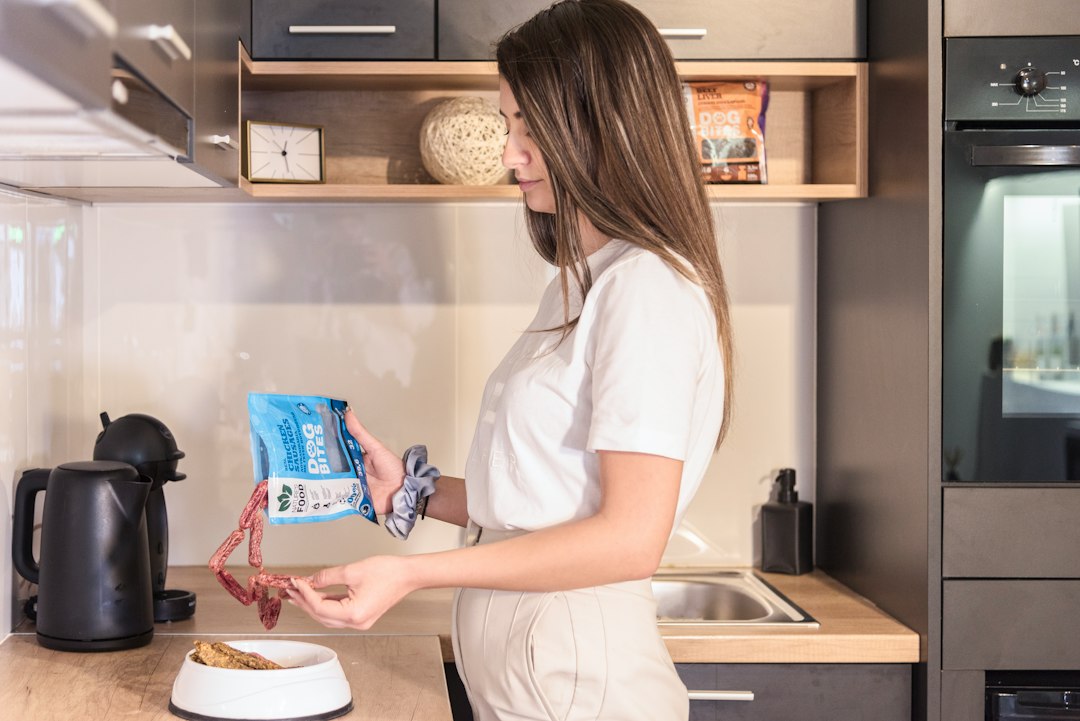
Your quick guide to pre-workout morning meals
Here’s the fast way to choose in under 30 seconds. Match your time window and workout type, then grab a portion that lines up with the targets. If you’re someone who hates guessing in the morning, prep one or two “default builds” the night before so you can just reach and go.
- 1–3 hours before, easy or hard sessions: small meal with 45–75 g carbs + 10–20 g protein; moderate fat and fiber.
- 30–60 minutes before: snack with 25–45 g carbs; add 5–10 g protein if you tolerate it; keep fat/fiber low.
- 10–15 minutes before: 10–25 g fast carbs; think fruit, juice, dates, chews; tiny portions win.
- Short, easy workouts: you can go fasted if you feel good; still hydrate.
Use the comparison table below to pick quickly by time, intensity, and practical constraints like prep time, portability, and cost. Estimated costs reflect typical U.S. grocery prices and will vary by location and brand.
| Time before workout | Workout type/intensity | Target carbs (g) | Target protein (g) | Example foods (vegan/gluten-free swaps) | Portion size | Prep time (min) | Estimated cost (USD) | Portability | GI risk |
|---|---|---|---|---|---|---|---|---|---|
| 1–3 h | Moderate/Hard intervals or weights | 55–75 | 15–20 | Oatmeal + berries + Greek yogurt (vegan: soy yogurt; GF: certified GF oats) | 1 cup cooked oats + 1/2 cup yogurt + 1/2 cup berries | 8–10 | $1.50–$2.50 | Medium | Low |
| 1–3 h | Easy steady cardio | 45–60 | 10–15 | Toast + 1–2 eggs (vegan: tofu scramble; GF: GF bread) | 2 slices toast + 1–2 eggs | 8–12 | $1.20–$2.00 | Low | Low–Med |
| 30–60 min | Hard intervals/tempo | 35–45 | 5–10 | Banana + peanut butter (vegan) or banana + soy yogurt (GF naturally) | 1 medium banana + 1 tbsp PB or 1/2 cup yogurt | 1–2 | $0.50–$1.00 | High | Low |
| 30–60 min | Easy/Moderate | 25–35 | Optional 5–8 | Rice cakes + jam; add a slice of turkey or tofu for protein (GF rice cakes) | 2–3 rice cakes + 1–2 tbsp jam | 1–2 | $0.60–$1.20 | High | Low |
| 10–15 min | Short & easy (≤30 min) | 10–20 | 0 | Half banana or applesauce pouch (vegan/GF) | 1/2 medium banana or 3–4 oz pouch | 0–1 | $0.25–$0.80 | High | Low |
| 10–15 min | Short but hard | 15–25 | 0 | 3–5 dates or small 100% fruit juice (GF/vegan) | 3–5 dates or 4–6 oz juice | 0–1 | $0.30–$1.00 | High | Low–Med |
GI risk refers to stomach/intestinal discomfort likelihood for most people when eaten close to training; your tolerance may differ.
Best pre workout meals morning: quick picks by time and workout
When you have 1–3 hours before go time, build a small meal. Aim for 45–75 g carbs and 10–20 g protein, with modest fat. Examples: a bowl of oatmeal cooked with milk or soy milk, topped with berries and a spoon of yogurt; two slices of toast with eggs and a piece of fruit; cooked white rice with egg whites and a little soy sauce; a smoothie with banana, oats, yogurt or soy yogurt, and a bit of honey. These fit both moderate and hard sessions and give time for digestion.
With 30–60 minutes, choose lighter snacks: 25–45 g carbs with optional 5–10 g protein. Good picks: banana with a spoon of peanut butter; rice cakes with jam; yogurt with honey and a few soft berries; half a bagel with a thin layer of jam; an applesauce pouch with a few crackers. Keep the portion tidy and favor lower-fiber choices (white bread or rice cakes over super-seedy bread) so the food sits comfortably.
With only 10–15 minutes, stick to fast carbs in small portions: half a banana, 3–5 dates, a small 100% fruit juice, or a few chews. These options are easy to swallow, quick to digest, and won’t feel heavy. For short, easy sessions (like a relaxed 20–30 minute walk or light mobility), many people feel fine training fasted—just hydrate and roll. For hard intervals, a few dates or a small juice can take the edge off.
Dietary swaps are simple: vegan or dairy-free eaters can use soy or almond yogurt, tofu or egg alternatives, and plant milks in oats or smoothies. Gluten-free eaters can use certified gluten-free oats, rice cakes, or GF bread. If you’re sensitive to lactose early in the morning, choose lactose-free milk or a plant milk. Keep the framework the same: carbs first, a little protein if time allows, light on fat and fiber close to start.
Portions and macros made simple (no calculator needed)
Use these targets as a starting point, then nudge up or down based on your personal tolerance and session length.
- 1–3 hours pre: 45–75 g carbs + 10–20 g protein. If your session is long or intense, aim to the higher end.
- 30–60 minutes pre: 25–45 g carbs + optional 5–10 g protein. Favor quick-digesting carbs.
- 10–15 minutes pre: 10–25 g fast carbs. Keep portions small.
Household measures that match common targets:
- 1 medium banana ≈ 25–30 g carbs
- 3–5 dates ≈ 18–30 g carbs
- 1 cup cooked oats ≈ 27 g carbs
- 1 slice bread ≈ 12–18 g carbs (brand dependent)
- 1/2 bagel ≈ 25–30 g carbs
- 1 small 100% fruit juice (4–6 oz) ≈ 12–18 g carbs
- 1 cup cooked white rice ≈ 40–45 g carbs
- 6 oz yogurt or soy yogurt ≈ 10–15 g carbs and 6–12 g protein
- 2 egg whites ≈ 7 g protein; 1 whole egg ≈ 6 g protein and more fat
Adjust for intensity and duration. A 20-minute easy walk doesn’t require the same fuel as a 60-minute hard interval run. If you’re nervous before a hard session, keep the food familiar and simple. If you often feel hungry mid-workout, bump up carbs by 10–15 g next time or start sipping a carb drink during the warm-up.
Want a deeper dive into timing across the day? See this practical piece: Meal Timing for Workouts: A Practical Guide to Eating Around Training. For an even broader pre-workout overview with non-morning options, you can also check What Are Good Pre Workout Meals? Timing, Portions, Ideas.
What to avoid and common mistakes
The goal is energy without a heavy stomach. These pitfalls are the ones that most often get in the way:
- Too much fat right before training. Greasy breakfast sandwiches, heavy pastries, bacon, or large nut-butter servings slow digestion and can feel heavy.
- Very high fiber or lots of raw veggies close to start. Save the big salads, bran cereals, very seedy bread, and raw cruciferous veggies for later.
- Huge portions when you only have 30–60 minutes. A small snack beats an oversized meal that lingers.
- Trying brand-new foods on hard days. Stick to foods you already know sit well; experiment on easy days.
- All-or-nothing thinking. If you missed the 1–3 hour window, a quick 10–25 g carb still helps—don’t skip because it isn’t perfect.
- Caffeine timing mistakes. A big latte 2 minutes before the warm-up may hit too late; take coffee or tea 15–45 minutes before if you use it.
- Forgetting fluids. Even light dehydration can make work feel tougher; sip water as you get ready.
Keep your morning routine boring on purpose: familiar foods, predictable portions, simple builds. That steadiness lowers the chance of GI stress and makes consistency easier.
Hydration and caffeine: simple rules
Start the day with water. After waking, sip 8–16 oz in the hour before you train as you tolerate. If your session is longer than 60 minutes, or you’re training in heat or humidity, consider an electrolyte mix to support fluid balance. Plain salt and citrus in water can be a simple DIY approach if you prefer not to buy a product.
If you like caffeine, timing matters. Many people feel best with coffee or tea 15–45 minutes before training. Keep portions modest if your stomach is sensitive. A small coffee, an espresso, or a cup of tea can be enough. If you don’t use caffeine regularly, skip adding it just because you’re training—it’s not required for a good session.
During training, sip to thirst. For hard or long sessions, a carb drink (20–30 g per hour) can support energy; for short easy workouts, water is usually fine.
For a broader, step-by-step nutrition structure that spans from breakfast through dinner and training days, see our Sports Nutrition for Athletes: A 12-Week Playbook.
Night-before prep and on-the-go builds
Morning success often starts the night before. A few minutes of prep removes guesswork and reduces the chance you grab something that sits heavy.
- Overnight oats: 1/2 cup rolled or certified gluten-free oats, 1/2–3/4 cup milk or soy milk, 1 tsp honey or maple syrup. Optional: a few soft berries. In the morning, add a spoon of yogurt or soy yogurt for protein if you have >60 minutes.
- Pre-portioned yogurt: put 6–8 oz yogurt or soy yogurt into a container, top with 1–2 tsp honey. Add a few rice crackers on the side.
- Frozen smoothie packs: bag banana slices + 1–2 tbsp oats. In the morning, blend with milk or plant milk; add a spoon of yogurt for protein if time allows.
- PB&J on light bread: build it the night before. In the morning, eat half if you only have 30 minutes; eat the whole sandwich if you have 90 minutes.
Grab-and-go shelf-stable ideas for truly hectic mornings:
- Applesauce pouch or cup
- Banana or soft pear
- 3–5 dates
- 2–3 rice cakes + jam packet
- Single-serve yogurt (if you tolerate dairy early)
Packing tips that lower GI stress: keep portions modest; choose lower-fiber versions before training; avoid stacking multiple high-fat items in one snack; add a few sips of water while you dress.
If you want to build a full food routine that fits your workweek, this guide helps connect the dots: How to build a sports nutrition plan that actually fits your life.
After you train: a simple refuel
Within 1–2 hours post-workout, pair carbs with protein in a normal meal or solid snack. Options: eggs and toast with fruit; rice bowl with chicken or tofu and vegetables; Greek or soy yogurt with granola and banana; a smoothie with milk or soy milk, banana, oats, and peanut butter. If your appetite is low, start small: yogurt with honey, a banana and a glass of milk or soy milk, or a smoothie you can sip.
Match the refuel to the work you did. After short, easy sessions, a regular breakfast works fine. After hard intervals or longer training, lean a bit higher on carbs and include a clear protein source to support your daily recovery routine.
FAQ you might be asking
What is the best pre-workout breakfast meal? There isn’t one “best” for everyone, but a reliable 1–3 hour option is oatmeal with berries and yogurt (or soy yogurt), or toast with eggs and fruit. Both hit the carb-plus-a-little-protein target.
Should I eat protein before a workout? A small amount can help if you have 1–3 hours (10–20 g works well). With 30–60 minutes, protein is optional. Very close to start, focus on quick carbs.
Should I work out on an empty stomach in the morning? For short, easy sessions many people feel fine fasted. For longer or harder workouts, a small carb snack usually feels better.
What should I eat 30 minutes before the gym? Choose 25–35 g carbs from easy foods: banana with a little peanut butter, rice cakes with jam, yogurt with honey if you tolerate it.
Is coffee okay before a morning workout? Yes if you already use it. Take it 15–45 minutes before. Keep portions modest if your stomach is sensitive.